Red Sandalwood, also known as Raktachandan or Red Sanders. It is scientifically known as Pterocarpus santalinus and is a member of the Fabaceae family. According to government prices, red sandalwood has a commercial value ranging from eight lakh to twelve lakhs per ton. It is a tiny tree with a hard, dark purple wood component called the heartwood in the center that has a bitter flavor.
The Raktachandan tree is indigenous to India and can be found in dry and hilly areas of Andhra Pradesh, Karnataka, Tamil Nadu, Odisha, West Bengal, and Maharashtra. Red Sandalwood is revered in Hindu culture and is utilized in a variety of rites. As a result, red Sandalwood is known by a variety of names, including Lal Chandan, Yerra Chandanamu, and Tambada Chandana.Agaru Gandhami, Rakt Chandan, Patrangam, etc.
However, because to overexploitation and habitat degradation, this iconic species is now facing the terrible reality of extinction. In this blog, we all look into the world of Red Sandalwood, investigating its distinct traits, cultural value, and the critical need for conservation efforts to safeguard this iconic species.
Bioactive Compounds in Red Sandalwood:
The main bioactive ingredient in Red Sandalwood is possibly santalin, which gives it its distinctive red color. Biologically active chemicals found in red chandan include phenols, alkaloids, saponins, flavonoids, glycosides, triterpenoids, sterols, tannins, isoflavones, glucosides, savinin, and calocedrin.
Special Qualities:
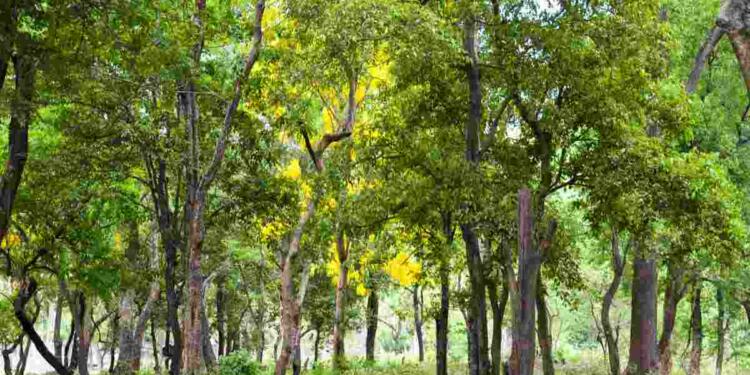
Red Sandalwood is known for its rich, reddish-brown heartwood, as the name suggests. This mature tree heartwood is highly valued for its bright color and pleasant smell. The tree itself is a medium-sized deciduous species that can reach a height of 15 meters. Its complex leaves and petite, fragrant blooms contribute to its allure.
The sluggish growth of Red Sandalwood is one of its most fascinating characteristics. These trees can take up to 25 years or more to mature, making them particularly vulnerable to overharvesting. They grow a dense heartwood core as they mature, which is appreciated for its use in a variety of traditional and medicinal uses.
Features of red sandalwood:
Red Sandalwood may possess the following characteristics:
- It may have antipyretic properties (it may lower fever).
- It has the potential to decrease inflammation.
- It may have analgesic properties (it may relieve pain).
- It may have anthelmintic properties (it may inhibit parasite infection).
- It may be effective against dysentery.
- It has the potential to be utilized as a cooling agent.
- It might lower blood sugar levels.
- It might serve as a cancer preventative.
- It may have antimicrobial properties.
Red Sandalwood applications:

Red Sandalwood side effects and warnings include:
- Red Sandalwood paste may irritate delicate skin; conduct a patch test first.
- Allergic Reactions: Red Sandalwood allergies can cause itching, swelling, or hives; halt usage and seek medical attention if this occurs.
- Red Sandalwood should never be consumed in big quantities since it is harmful.
- Pregnancy and breastfeeding: Women who are pregnant or breastfeeding should get the advice of a healthcare practitioner before taking Red Sandalwood.
- Red Sandalwood items should be kept away from youngsters since consumption might be dangerous.
- Quality and Purity: To avoid impurities or adulteration, choose high-quality, pure Red Sandalwood goods.
- Red Sandalwood should be used with caution by those who are sensitive to sandalwood or kindred species.
- Legal and Ethical Considerations: To prevent contributing to the endangerment of Red Sandalwood, be aware of the legal and ethical consequences of its use.
Conservation Strategies for Red Sandalwood:
Red Sandalwood, an endangered and culturally valuable plant, necessitates a diverse strategy to conservation. It is critical to advocate for and enforce legislation, such as anti-illegal logging regulations. The preservation of ecosystems, promotion of sustainable harvesting techniques, and involvement of local communities are all critical stages. Raising public awareness, conducting research, and encouraging international collaboration through accords like CITES may all aid in the fight against the illegal trafficking of Red Sandalwood. Ethical consumption, donations to conservation groups, and active advocacy are also important. We can work together to save Red Sandalwood and its habitats by implementing these techniques and developing partnerships.


No comments:
Post a Comment